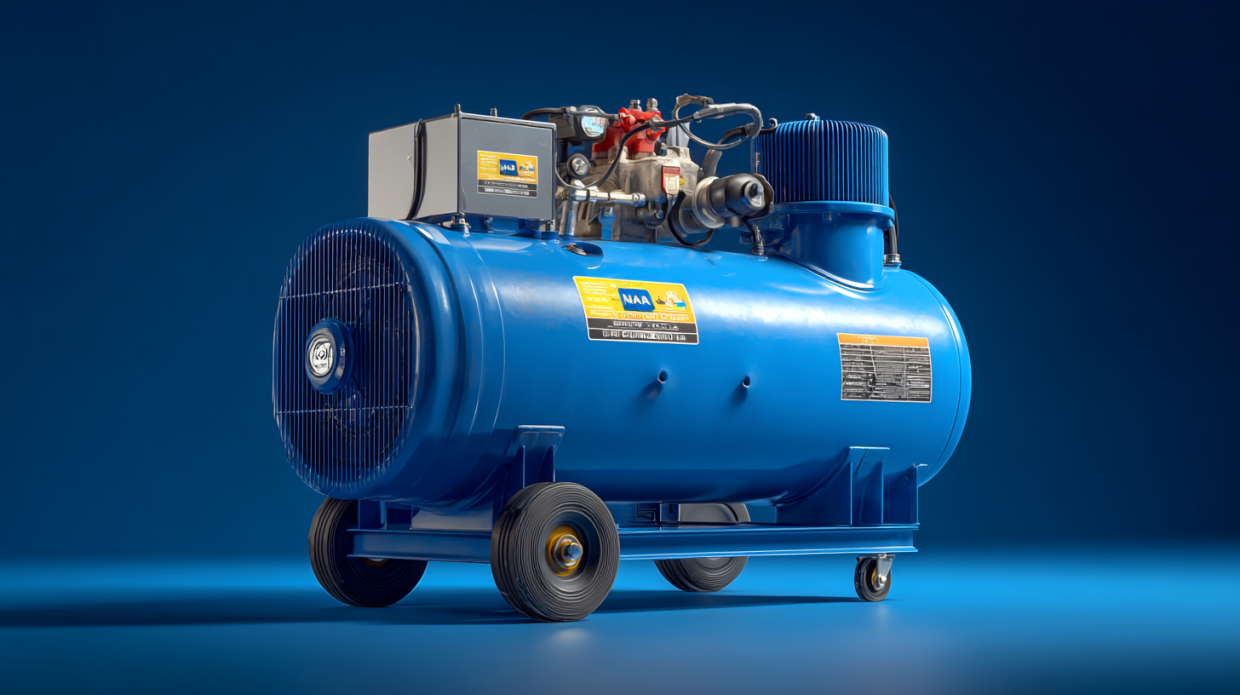

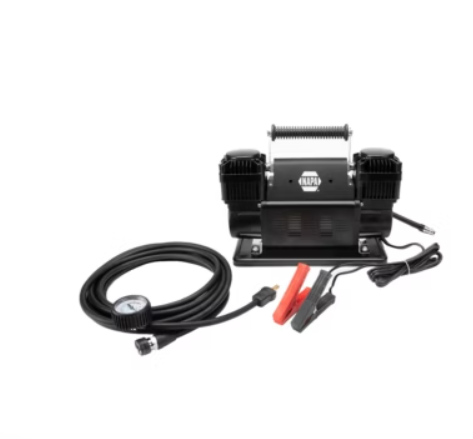
NAPA Heavy Duty 12V Horizontal Electric Air Compressor 300 LPM
- This NAPA Heavy Duty 12V Air Compressor delivers an unbelievable 300 litres of air per minute taking an average 4WD tire less than a minute to be inflated after lowering the pressures on the trail. Equipped with two stainless steel valved cylinders air pumps and is designed to quickly dissipate heat and provide airflow to get you back on the road faster.
Discovering the Perfect Balance of Power, Performance, and Practicality in Professional-Grade Air Compression Technology
When the familiar hum of a well-tuned engine fills a garage, there’s often another sound accompanying it—the rhythmic pulse of an air compressor breathing life into pneumatic tools. In the world of automotive maintenance and beyond, few things are as essential as reliable compressed air, and Napa Air Compressor units have carved out a distinctive place in this landscape.
Picture this: You’re halfway through a brake job on a Saturday afternoon when your impact wrench starts losing power. The compressor in the corner, which seemed adequate when you bought it, is struggling to keep up with demand. This scenario plays out in countless garages, workshops, and job sites every day, highlighting the critical importance of choosing the right air compression system from the start.
Napa Air Compressor models represent more than just mechanical devices—they embody the intersection of automotive heritage and modern engineering excellence. Born from a company that has spent decades understanding the real-world needs of mechanics, DIY enthusiasts, and professionals, these compressors carry the weight of expectation that comes with the NAPA name.
Understanding the Napa Air Compressor Ecosystem
The diversity within the Napa Air Compressor lineup reflects the varied demands of modern compressed air applications. From compact units designed for occasional home use to robust industrial-grade machines capable of powering entire shop operations, NAPA has developed a comprehensive range that addresses virtually every conceivable need.
The foundation of any Napa Air Compressor begins with understanding the fundamental types available. Single-stage compressors form the backbone of the residential and light commercial market, offering reliable performance for tasks like tire inflation, nail guns, and basic pneumatic tools. These units compress air in a single stroke, making them ideal for applications requiring moderate pressure and intermittent use.
For more demanding applications, two-stage Napa Air Compressor models provide enhanced efficiency and higher pressure capabilities. These sophisticated machines compress air twice—first to an intermediate pressure, then to the final working pressure—resulting in cooler operation and improved longevity. The engineering behind these units reflects decades of refinement, incorporating lessons learned from countless hours of real-world operation.
Portable Napa Air Compressor units deserve special attention for their versatility and convenience. These mobile powerhouses transform any location into a fully equipped workspace, whether you’re inflating tires at a remote job site or running pneumatic tools in areas without permanent compressed air infrastructure. The engineering challenge of combining portability with performance has driven innovation in weight reduction, noise control, and energy efficiency.
The Quest for the Perfect Napa Air Compressor Location
Finding where to purchase a Napa Air Compressor involves understanding the extensive distribution network that NAPA has built over decades. The company’s retail presence spans thousands of locations across North America, from standalone NAPA AUTO PARTS stores to authorized dealers and online platforms.
The traditional NAPA AUTO PARTS store remains the cornerstone of the distribution strategy. These locations offer the advantage of hands-on examination, allowing potential buyers to assess build quality, examine control interfaces, and discuss specific needs with knowledgeable staff. The expertise available at these locations often proves invaluable, particularly for first-time buyers navigating the complexities of compressor selection.
Beyond the traditional retail network, NAPA has embraced modern distribution channels to ensure Napa Air Compressor availability meets contemporary shopping preferences. Online ordering systems provide detailed specifications, user reviews, and comparison tools that help buyers make informed decisions from the comfort of their homes or workshops.
The geographical distribution of NAPA locations ensures that most consumers can find a Napa Air Compressor retailer within reasonable driving distance. Urban areas typically feature multiple locations, while rural regions are served by strategically placed stores and authorized dealers who understand the unique needs of agricultural and remote commercial applications.
Decoding Napa Air Compressor Pricing Structures
The financial investment required for a Napa Air Compressor varies dramatically based on size, features, and intended application. Entry-level portable units designed for basic home use typically represent the most accessible price point, often falling within the range that makes them attractive impulse purchases for homeowners tackling weekend projects.
Mid-range Napa Air Compressor models occupy the sweet spot for serious hobbyists and small commercial operations. These units balance increased performance capabilities with reasonable pricing, offering features like larger tank capacities, more powerful motors, and enhanced durability without reaching the premium pricing of industrial-grade equipment.
At the top of the pricing spectrum, commercial and industrial Napa Air Compressor units represent significant investments that reflect their sophisticated engineering and robust construction. These machines are designed for continuous operation, demanding applications, and years of reliable service in challenging environments.
The pricing philosophy behind Napa Air Compressor models emphasizes value over mere cost competition. Rather than pursuing the lowest possible price point, NAPA focuses on delivering equipment that provides reliable long-term performance, reducing the total cost of ownership through improved durability and lower maintenance requirements.
Seasonal pricing fluctuations often affect Napa Air Compressor availability and cost, with spring representing peak demand as contractors and homeowners gear up for construction season. Understanding these patterns can help savvy buyers time their purchases for optimal value.
Portability Revolution in Napa Air Compressor Design
The evolution of portable Napa Air Compressor technology represents one of the most significant advances in compressed air accessibility. Modern portable units bear little resemblance to their predecessors, incorporating lightweight materials, efficient motors, and innovative design approaches that maximize performance while minimizing weight and bulk.
Contemporary portable Napa Air Compressor models achieve remarkable performance ratios, delivering substantial compressed air output from surprisingly compact packages. This transformation stems from advances in motor technology, pump design, and materials science that have collectively revolutionized what’s possible in a portable format.
The practical implications of enhanced portability extend far beyond mere convenience. Construction crews can now bring substantial compressed air capacity to remote job sites without requiring permanent installation or extensive setup procedures. Automotive technicians can provide mobile service with professional-grade equipment, expanding their service capabilities and customer reach.
Noise reduction represents another critical aspect of portable Napa Air Compressor development. Early portable compressors were notoriously loud, limiting their use in residential areas and noise-sensitive environments. Modern units incorporate sound dampening materials, refined motor designs, and optimized airflow patterns that significantly reduce operational noise without compromising performance.
The durability of portable Napa Air Compressor units has improved dramatically as manufacturers have learned to balance weight reduction with structural integrity. Advanced materials and manufacturing techniques enable these units to withstand the rigors of transportation and field use while maintaining precise operational tolerances.
Home Applications for Napa Air Compressor Systems
The residential market for Napa Air Compressor equipment continues expanding as homeowners discover the versatility and convenience of compressed air power. From simple tire inflation to complex woodworking projects, compressed air has become an essential utility in well-equipped home workshops.
For tire maintenance alone, a Napa Air Compressor provides unmatched convenience and reliability. The ability to quickly inflate bicycle tires, car tires, sports equipment, and seasonal items like pool floats transforms routine maintenance from a chore into a simple task. The precision control available with quality compressors ensures proper inflation pressures, extending tire life and improving vehicle performance.
Pneumatic tools powered by Napa Air Compressor units open entirely new possibilities for home improvement projects. Nail guns accelerate construction and renovation tasks while providing consistent, professional-quality results. Impact wrenches simplify automotive maintenance, while sanders and paint sprayers enable finishing work that rivals professional quality.
The integration of Napa Air Compressor systems into home workshops requires careful consideration of space, noise, and power requirements. Modern units designed for residential use address these concerns through compact designs, noise reduction features, and electrical systems compatible with standard household circuits.
Seasonal applications for Napa Air Compressor systems extend their utility throughout the year. Winter tire changes become manageable tasks, while summer pool maintenance benefits from the ability to quickly inflate large items. Holiday decorations, sporting goods, and outdoor equipment all benefit from ready access to compressed air.
Professional Selection Criteria for Napa Air Compressor Systems
Choosing the optimal Napa Air Compressor for specific applications requires understanding the complex interplay between performance requirements, operational constraints, and economic considerations. Professional selection begins with accurate assessment of compressed air demand, including both peak requirements and sustained usage patterns.
Duty cycle considerations play a crucial role in Napa Air Compressor selection. Units designed for intermittent use may struggle with continuous operation, while industrial-grade compressors may represent unnecessary expense for occasional applications. Understanding the difference between rated capacity and actual sustained output helps ensure proper sizing for intended use.
Tank capacity represents another critical selection factor that profoundly affects Napa Air Compressor performance characteristics. Larger tanks provide greater air storage, reducing motor cycling and enabling sustained high-demand applications. However, increased tank size comes with corresponding increases in space requirements, weight, and cost.
Motor specifications demand careful attention during Napa Air Compressor selection. Horsepower ratings provide general performance indicators, but actual performance depends on motor efficiency, pump design, and overall system optimization. Single-phase motors offer convenience for most applications, while three-phase power provides enhanced efficiency for industrial installations.
Environmental factors significantly influence Napa Air Compressor selection and performance. Operating temperature ranges, humidity levels, and air quality all affect compressor operation and longevity. Units designed for harsh environments incorporate features like moisture separators, intake filters, and corrosion-resistant materials.
Industrial and Professional Napa Air Compressor Applications
The transition from consumer-grade to professional Napa Air Compressor applications involves substantial increases in performance expectations, durability requirements, and operational complexity. Professional environments demand equipment capable of continuous operation, precise pressure control, and minimal maintenance requirements.
Manufacturing facilities rely on Napa Air Compressor systems to power extensive pneumatic tool networks, automated machinery, and process equipment. These installations often feature multiple compressors operating in coordinated systems that provide redundancy, load sharing, and optimal efficiency across varying demand patterns.
Automotive service facilities represent ideal applications for professional-grade Napa Air Compressor systems. The combination of high-demand tools like impact wrenches and spray guns with continuous operation requirements challenges compressor capabilities. Professional units designed for these environments incorporate features like aftercoolers, moisture separators, and automatic drainage systems.
Construction applications expose Napa Air Compressor equipment to harsh conditions while demanding reliable performance. Dust, moisture, temperature extremes, and vibration create challenging operational environments that require robust construction and appropriate protective features.
The economic implications of professional Napa Air Compressor selection extend far beyond initial purchase price. Energy efficiency affects operational costs over the equipment’s lifetime, while reliability influences productivity and maintenance expenses. Professional buyers must evaluate total cost of ownership rather than focusing solely on initial investment.
Warranty Protection and Napa Air Compressor Reliability
The warranty coverage provided with Napa Air Compressor purchases reflects the manufacturer’s confidence in their products while providing buyers with protection against defects and premature failures. Understanding warranty terms and conditions helps buyers make informed decisions and properly maintain their equipment to preserve coverage.
Standard warranty coverage for Napa Air Compressor units typically addresses manufacturing defects, component failures, and performance issues that arise under normal operating conditions. The duration of coverage varies by model and application, with industrial units often receiving extended warranty periods that reflect their higher reliability expectations.
Warranty registration procedures require attention to ensure coverage activation and proper documentation. Many buyers overlook this critical step, potentially voiding their protection due to administrative oversights. Proper registration also enables manufacturers to contact buyers regarding updates, recalls, or service bulletins.
The scope of warranty coverage deserves careful examination, as exclusions for normal wear items, misuse, and environmental damage can significantly affect protection value. Understanding these limitations helps buyers develop appropriate maintenance and operating procedures that preserve warranty coverage while maximizing equipment life.
Professional installation and commissioning often influence warranty coverage, particularly for larger Napa Air Compressor installations. Manufacturer-authorized service providers ensure proper setup while preserving warranty protection, though this may involve additional costs for complex installations.
Customer Experiences with Napa Air Compressor Performance
Real-world feedback from Napa Air Compressor users provides invaluable insights into actual performance, reliability, and satisfaction levels that extend beyond manufacturer specifications and marketing claims. Customer reviews reveal patterns of excellence and areas for improvement that help prospective buyers make informed decisions.
Long-term ownership experiences highlight the durability and reliability characteristics that define Napa Air Compressor performance in diverse applications. Users consistently report satisfaction with build quality, noting that units continue operating reliably after years of regular use. This durability translates into excellent value propositions for buyers seeking equipment capable of sustained performance.
Professional users frequently praise Napa Air Compressor units for their consistent performance under demanding conditions. Automotive technicians report reliable operation during busy periods, while contractors appreciate the ability to power multiple tools simultaneously without performance degradation.
Noise levels receive frequent mention in customer feedback, with many users expressing satisfaction with the relatively quiet operation of modern Napa Air Compressor units. This improvement over older designs enables use in noise-sensitive environments and reduces operator fatigue during extended work sessions.
Customer service experiences also factor prominently in user satisfaction with Napa Air Compressor ownership. The extensive dealer network provides local support for purchases, service, and parts availability, contributing to overall ownership satisfaction and equipment longevity.
Oil-Free Technology in Napa Air Compressor Design
The availability of oil-free Napa Air Compressor models addresses specific applications where compressed air quality is paramount. These units eliminate the risk of oil contamination in the compressed air stream, making them ideal for applications involving food preparation, medical equipment, painting, and sensitive manufacturing processes.
Oil-free Napa Air Compressor technology utilizes specialized materials and manufacturing techniques to achieve lubrication-free operation without sacrificing performance or reliability. Teflon-coated pistons, specialized cylinder designs, and advanced sealing systems enable these units to operate efficiently while maintaining the purity of compressed air output.
The maintenance advantages of oil-free Napa Air Compressor units extend beyond eliminated oil changes to include simplified service procedures and reduced environmental impact. These benefits particularly appeal to users in regulated industries where oil contamination poses significant risks or compliance challenges.
Performance characteristics of oil-free Napa Air Compressor models have improved substantially as technology advances enable enhanced efficiency and durability. Modern units deliver performance comparable to oil-lubricated counterparts while providing the purity advantages that justify their application in sensitive environments.
Cost considerations for oil-free Napa Air Compressor units reflect the specialized technology and materials required for their construction. While initial purchase prices typically exceed comparable oil-lubricated models, the elimination of oil-related maintenance and contamination risks often justifies the additional investment.
Pneumatic Tool Compatibility with Napa Air Compressor Systems
The compatibility between Napa Air Compressor units and pneumatic tools represents a critical consideration that affects both performance and user satisfaction. Proper matching ensures optimal tool operation while preventing damage to either the compressor or connected equipment.
Pressure requirements vary significantly among pneumatic tools, with some devices requiring minimal pressure for operation while others demand substantial pressure for effective performance. Napa Air Compressor units must provide adequate pressure while maintaining consistent delivery to ensure proper tool function across varying demand patterns.
Air volume demands present another compatibility consideration that affects Napa Air Compressor selection. High-consumption tools like sanders and grinders require substantial airflow to maintain optimal performance, while precision tools like airbrushes operate effectively with minimal air volumes but demand consistent pressure.
Quick-connect systems and fittings play crucial roles in Napa Air Compressor and tool compatibility. Standardized connection systems enable rapid tool changes while ensuring secure, leak-free connections that maintain system pressure and performance.
The quality of compressed air delivered by Napa Air Compressor systems affects tool performance and longevity. Moisture content, oil contamination, and particulate matter can damage sensitive tool components or affect output quality. Proper filtration and air treatment ensure optimal tool performance and extended service life.
Maintenance Protocols for Napa Air Compressor Longevity
Proper maintenance represents the most significant factor affecting Napa Air Compressor performance, reliability, and service life. Comprehensive maintenance protocols address routine service requirements, preventive care, and early problem detection that preserves equipment investment and ensures consistent performance.
Daily maintenance procedures for Napa Air Compressor units focus on basic operational checks and simple preventive measures. Drain valve operation removes accumulated moisture from the tank, while visual inspections identify potential issues before they develop into serious problems. These simple procedures require minimal time but provide substantial benefits for equipment longevity.
Weekly maintenance schedules address more comprehensive inspection and service requirements. Air filter cleaning or replacement ensures optimal compressor breathing and prevents contamination from entering the compression chamber. Belt tension checks and adjustments maintain efficient power transmission while preventing premature wear.
Monthly maintenance protocols encompass detailed system inspections and service procedures that require more time and technical knowledge. Oil level checks and changes maintain proper lubrication for oil-lubricated Napa Air Compressor models, while pressure relief valve testing ensures safety system functionality.
Annual maintenance procedures often require professional service or advanced technical knowledge to complete properly. Pump inspections, valve services, and electrical system checks identify wear patterns and potential failures before they cause operational disruptions or safety hazards.
Size and Power Specifications for Napa Air Compressor Selection
The diversity of sizes and power levels available in Napa Air Compressor models ensures appropriate solutions for virtually any compressed air requirement. Understanding the relationship between physical size, power output, and application suitability helps buyers select optimal equipment for their specific needs.
Compact Napa Air Compressor units maximize portability while providing sufficient performance for light-duty applications. These models typically feature smaller tanks and lower-powered motors that limit their sustained output but excel in applications requiring occasional use or maximum mobility.
Mid-size Napa Air Compressor models balance portability with enhanced performance capabilities. Larger tanks provide increased air storage, while more powerful motors enable higher output rates and improved recovery times. These units serve as excellent choices for serious hobbyists and light commercial applications.
Full-size stationary Napa Air Compressor units prioritize maximum performance over portability considerations. Large tank capacities and powerful motors enable these units to support high-demand applications and continuous operation requirements. Installation considerations become more significant due to size, weight, and electrical requirements.
Power level selections for Napa Air Compressor units must account for both peak demand and sustained usage patterns. Undersized units struggle to maintain adequate pressure during high-demand periods, while oversized equipment represents unnecessary expense and energy consumption for lighter applications.
Accessories and Enhancement Options for Napa Air Compressor Systems
The availability of accessories and enhancement options significantly expands the utility and convenience of Napa Air Compressor installations. These supplementary components address specific application requirements while improving overall system performance and user experience.
Hose selections dramatically affect Napa Air Compressor system performance and user convenience. Lightweight hoses improve portability and reduce user fatigue, while reinforced designs provide enhanced durability for demanding applications. Length considerations balance reach requirements with pressure drop concerns that affect tool performance.
Quick-connect fittings and couplers streamline tool changes while ensuring secure, leak-free connections. Standardized systems enable compatibility across different manufacturers while specialized designs address specific application requirements like high-pressure or high-volume applications.
Filtration and air treatment accessories enhance compressed air quality for sensitive applications. Water separators remove moisture that can damage tools or affect output quality, while oil removal filters ensure contamination-free air for critical applications.
Pressure regulation accessories provide precise control over delivered air pressure, enabling optimal tool performance while protecting sensitive equipment from over-pressurization. Adjustable regulators offer flexibility for varying application requirements within a single system.
Storage and organization accessories help maintain efficient workshop operations while protecting equipment investment. Hose reels prevent tangling and damage while improving workspace organization, while tool holders and storage systems keep pneumatic equipment readily accessible.
Napa Air Compressor Applications in Tire Inflation
Tire inflation represents one of the most common and practical applications for Napa Air Compressor systems, providing convenience and precision that manual pumps cannot match. The ability to quickly and accurately inflate tires extends beyond mere convenience to encompass safety, performance, and economic benefits.
Automotive tire inflation with Napa Air Compressor units ensures proper pressure maintenance that directly affects vehicle safety, fuel economy, and tire longevity. Consistent pressure monitoring and adjustment become simple tasks rather than time-consuming chores, encouraging proper maintenance that provides substantial long-term benefits.
The precision available through Napa Air Compressor systems enables accurate pressure setting that optimizes tire performance for specific conditions. Seasonal adjustments, load variations, and performance requirements can be addressed quickly and accurately, maximizing the benefits of proper tire pressure management.
Commercial vehicle applications benefit significantly from Napa Air Compressor tire inflation capabilities. Fleet operators can maintain proper tire pressures across numerous vehicles efficiently, reducing maintenance costs while improving safety and fuel economy across their operations.
Recreational vehicle and equipment tire inflation represents another valuable application for Napa Air Compressor systems. Boats, trailers, ATVs, and other recreational equipment require periodic tire pressure maintenance that becomes simple and convenient with proper compressed air equipment.
Comparative Analysis: Napa Air Compressor Versus Competition
Understanding how Napa Air Compressor units compare with competing brands helps buyers make informed decisions based on actual performance, value, and reliability rather than marketing claims or price comparisons alone. Comprehensive comparisons encompass multiple factors that affect long-term ownership satisfaction.
Build quality represents a fundamental differentiator between Napa Air Compressor units and competing products. The materials, manufacturing processes, and quality control standards employed by NAPA consistently produce equipment that delivers reliable long-term performance under demanding conditions.
Performance characteristics vary significantly among compressor manufacturers, with Napa Air Compressor units typically delivering consistent output that meets or exceeds rated specifications. This reliability ensures that buyers receive the performance they expect rather than discovering limitations during critical applications.
Warranty coverage and customer support distinguish Napa Air Compressor products from many competitors through comprehensive protection and accessible service networks. The extensive dealer network provides local support that simplifies parts availability and service access compared to online-only competitors.
Value propositions for Napa Air Compressor units emphasize long-term ownership satisfaction over minimal initial cost. While prices may exceed some competitors, the combination of performance, reliability, and support typically provides superior value over the equipment’s operational life.
Innovation and technology integration keep Napa Air Compressor products competitive in evolving markets. Continuous improvement programs ensure that new models incorporate latest advances while maintaining the reliability and durability that define the brand.
Noise Control Features in Napa Air Compressor Design
The evolution of noise control technology in Napa Air Compressor design reflects growing awareness of operator comfort and environmental considerations. Modern units incorporate multiple approaches to noise reduction that significantly improve the user experience without compromising performance.
Sound dampening materials integrated into Napa Air Compressor construction absorb and deflect operational noise, reducing overall sound levels during operation. These materials must withstand the vibration and heat generated during compressor operation while maintaining their acoustic properties over extended periods.
Motor design improvements contribute significantly to Napa Air Compressor noise reduction. Refined manufacturing tolerances, improved bearing systems, and optimized cooling airflow reduce mechanical noise while maintaining or improving motor efficiency and longevity.
Enclosure designs for quieter Napa Air Compressor models balance noise reduction with cooling requirements and service accessibility. Sophisticated designs incorporate acoustic materials and airflow management that minimize noise transmission while ensuring adequate ventilation for reliable operation.
The practical benefits of reduced Napa Air Compressor noise levels extend beyond operator comfort to include expanded application possibilities. Quieter units can be used in residential areas, indoor environments, and noise-sensitive locations that would be unsuitable for traditional compressors.
Napa Air Compressor Applications in Spray Painting
Spray painting applications place specific demands on Napa Air Compressor systems that extend beyond basic pressure and volume requirements. The quality and consistency of compressed air directly affect paint application quality, making proper compressor selection critical for achieving professional results.
Air quality requirements for spray painting with Napa Air Compressor systems mandate contamination-free compressed air that won’t affect paint application or finish quality. Oil-free operation, moisture removal, and particulate filtration ensure that the compressed air enhances rather than compromises paint quality.
Pressure consistency represents another critical factor for successful spray painting applications. Napa Air Compressor units must maintain steady pressure throughout the painting process to ensure consistent spray patterns and proper atomization. Pressure fluctuations can cause finish defects that require costly repairs.
Volume requirements for spray painting vary significantly based on gun type, paint material, and application technique. Napa Air Compressor units must provide adequate airflow to maintain optimal spray gun performance while accommodating the continuous demands of production painting operations.
Temperature control affects both Napa Air Compressor performance and paint application quality. Compressed air heating during compression can affect paint viscosity and application characteristics, while compressor cooling requirements influence installation and operational considerations.
Troubleshooting Common Napa Air Compressor Issues
Effective troubleshooting procedures for Napa Air Compressor problems enable users to identify and resolve common issues that might otherwise require professional service. Understanding typical failure modes and their symptoms helps maintain equipment availability while minimizing service costs.
Pressure-related problems represent the most common category of Napa Air Compressor issues, ranging from inability to build pressure to excessive cycling and pressure loss. Systematic diagnosis procedures help identify whether problems stem from pump issues, valve failures, or system leaks.
Motor problems with Napa Air Compressor units typically manifest as failure to start, overheating, or unusual noise during operation. Understanding the relationship between electrical supply, motor condition, and load requirements helps isolate motor-related issues from other system problems.
Excessive moisture in compressed air from Napa Air Compressor systems can damage tools and affect application quality. Troubleshooting moisture problems involves examining ambient conditions, drainage systems, and air treatment components to identify and correct the underlying causes.
Unusual noise or vibration from Napa Air Compressor operation often indicates developing mechanical problems that require attention before they cause major failures. Early identification and correction of these issues prevent costly repairs while maintaining equipment reliability.
Replacement Parts and Service Support for Napa Air Compressor Equipment
The availability of replacement parts and service support significantly affects the long-term viability and economic value of Napa Air Compressor ownership. Comprehensive parts availability and accessible service networks ensure that equipment investments remain productive throughout their operational lives.
Original equipment manufacturer parts for Napa Air Compressor units provide optimal fit, performance, and reliability compared to generic alternatives. The engineering and quality control that go into OEM parts justify their cost through improved performance and extended equipment life.
The NAPA dealer network provides widespread access to Napa Air Compressor parts and service support. Local dealers maintain inventory of common service items while providing access to technical expertise and specialized tools required for complex repairs.
Service documentation and technical support enable users to perform routine maintenance and minor repairs independently, reducing service costs while improving equipment familiarity. Comprehensive manuals, parts diagrams, and troubleshooting guides support DIY maintenance efforts.
Emergency parts availability becomes critical when Napa Air Compressor equipment fails during important projects or busy periods. The extensive NAPA network typically provides rapid access to critical components that minimize downtime and project delays.
Training and certification programs for Napa Air Compressor service technicians ensure consistent, high-quality service across the dealer network. Standardized procedures and ongoing education maintain service quality while introducing new technologies and techniques.
The journey through the comprehensive world of Napa Air Compressor technology reveals equipment designed to meet diverse needs while maintaining the reliability and performance standards that define professional-grade compressed air systems. From compact portable units suitable for weekend projects to robust industrial installations powering entire facilities, Napa Air Compressor models provide solutions that balance performance, reliability, and value.
The investment in a Napa Air Compressor represents more than just equipment purchase—it provides access to a comprehensive ecosystem of support, parts availability, and technical expertise that ensures long-term satisfaction and productivity. Whether serving the needs of automotive enthusiasts, professional contractors, or industrial facilities, these compressors deliver the consistent performance that transforms compressed air from a utility into a competitive advantage.