

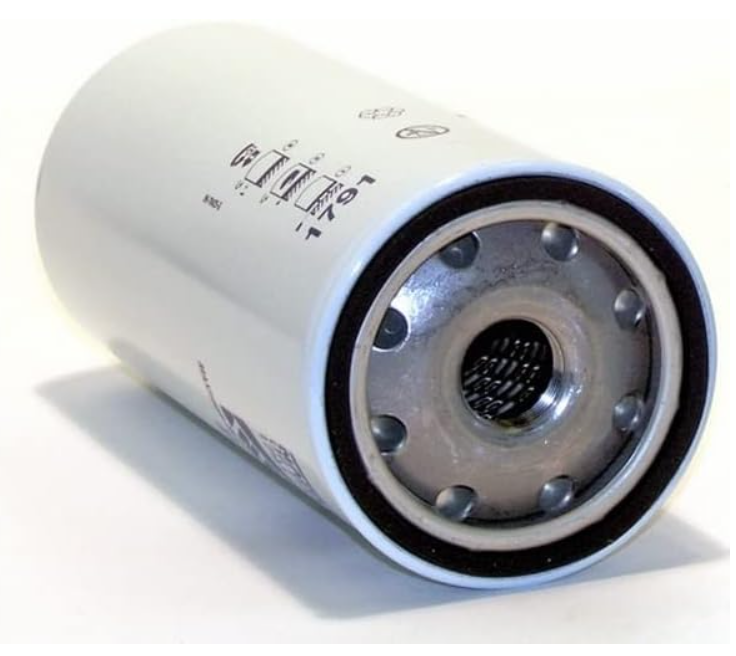
Napa Gold 1791 Oil Filter… (1)
- Features & Benefits: NAPA Gold Oil Filters Provide Excellent Engine Protection Using Conventional, Synthetic, or Synthetic-blended Motor Oils, As Recommended By The OE Vehicle Manufacturer; NAPA Gold Filters Are Recommended For OEM Filter Change Intervals.; If A Short Version Needed, Use # 1798; For Master Pack Version, Use # 1791MP; NAPA Gold Filters offers a complete line of top quality filtration products for all your filtration needs.
Discover why NAPA oil filters have become the trusted choice for millions of drivers and mechanics worldwide
When it comes to protecting your engine’s heart, few components are as crucial as your oil filter. Like a vigilant guardian standing watch over your engine’s lifeblood, a quality oil filter ensures that clean, filtered oil circulates through every critical component. Among the myriad of options available in today’s automotive market, NAPA oil filters have carved out a reputation for reliability, quality, and performance that spans decades.
Picture this: your engine is a bustling metropolis, with oil acting as the transportation network that keeps everything moving smoothly. Without proper filtration, this vital fluid becomes contaminated with metal particles, dirt, and combustion byproducts that can wreak havoc on precision-engineered components. This is where NAPA oil filters shine, serving as the sophisticated purification system that keeps your engine running like a well-oiled machine—quite literally.
Understanding the NAPA Oil Filter Ecosystem
NAPA oil filters aren’t just another commodity product; they represent a carefully engineered solution to one of automotive engineering’s most persistent challenges. The company has built its reputation on understanding that different engines have different needs, which is why their product lineup encompasses everything from basic economy filters to premium high-performance solutions.
The story of NAPA’s filtration technology begins with a simple principle: contaminants are the enemy of engine longevity. Every time your engine runs, it generates microscopic particles from normal wear and tear, combined with external contaminants that find their way into the oil system. A quality oil filter must capture these particles while maintaining optimal oil flow, creating a delicate balance between protection and performance.
What sets NAPA apart in this competitive landscape is their commitment to innovation and quality control. Their filters undergo rigorous testing procedures that simulate real-world conditions, ensuring that each filter can withstand the demanding environment inside your engine compartment. From temperature extremes to pressure variations, NAPA oil filters are designed to perform consistently throughout their service life.
The Complete NAPA Oil Filter Product Range
When exploring what types of oil filters NAPA offers, you’ll discover a comprehensive lineup designed to meet virtually every automotive need. The product range reflects NAPA’s understanding that modern vehicles span everything from fuel-efficient commuter cars to heavy-duty work trucks, each with unique filtration requirements.
The NAPA Gold series represents their standard offering, providing reliable filtration for everyday driving conditions. These filters feature high-quality filter media and robust construction that delivers dependable performance for conventional motor oils and standard driving patterns. The Gold series has become synonymous with value and reliability, making it a popular choice among cost-conscious consumers who refuse to compromise on quality.
Moving up the hierarchy, the NAPA Platinum oil filters represent the pinnacle of filtration technology. These premium filters incorporate advanced synthetic media that offers superior particle capture efficiency and extended service intervals. The Platinum series is specifically engineered for synthetic oils and severe driving conditions, making them ideal for high-performance vehicles and demanding applications.
For specialized applications, NAPA offers heavy-duty filters designed for commercial vehicles, construction equipment, and industrial machinery. These robust filters feature reinforced construction and enhanced filtration capacity to handle the increased contamination levels and extended service intervals common in commercial applications.
The motorcycle and ATV segment hasn’t been overlooked either. NAPA produces specialized filters for powersports applications, recognizing that these engines operate under unique conditions that require tailored filtration solutions. These compact yet efficient filters deliver the protection needed for high-revving engines in challenging environments.
Finding NAPA Oil Filters: Accessibility and Availability
The question of where to buy NAPA oil filters near you reveals one of the brand’s greatest strengths: widespread availability. NAPA’s extensive distribution network includes thousands of NAPA AUTO PARTS stores across North America, creating a comprehensive retail presence that puts quality filtration within reach of virtually every driver.
Beyond traditional brick-and-mortar locations, NAPA has embraced the digital age with robust online ordering systems that allow customers to locate specific filters by vehicle year, make, and model. This technological integration means you can identify the correct filter from the comfort of your home and either have it shipped directly or pick it up at a convenient location.
Many professional repair shops and quick-lube facilities also stock NAPA oil filters, recognizing their reputation for quality and reliability. This professional endorsement speaks volumes about the brand’s standing within the automotive service industry, where reputation and performance are everything.
The availability extends beyond standard passenger vehicles to include filters for recreational vehicles, boats, motorcycles, and commercial equipment. This comprehensive coverage ensures that whether you’re maintaining a weekend toy or a fleet of work trucks, NAPA likely has a filtration solution that meets your specific needs.
Choosing the Perfect NAPA Oil Filter for Your Vehicle
Selecting the right NAPA oil filter for your car involves more than simply matching part numbers—though that’s certainly where the process begins. The modern automotive landscape presents drivers with choices that previous generations couldn’t imagine, from synthetic oils to extended drain intervals, each requiring specific filtration characteristics.
The foundation of proper filter selection lies in understanding your vehicle’s specifications and your driving patterns. A commuter vehicle that sees primarily highway miles has different filtration needs than a work truck that operates in dusty conditions or a sports car that sees track time. NAPA oil filters are designed with these varied applications in mind, offering solutions optimized for specific use cases.
When consulting NAPA’s extensive application guide, you’ll notice that some vehicles have multiple filter options available. This isn’t an oversight—it reflects the reality that different driving conditions and maintenance philosophies call for different approaches to filtration. The standard Gold filter might be perfect for conventional oil and standard service intervals, while the Platinum option excels with synthetic oils and extended drain periods.
Professional mechanics often recommend considering factors beyond basic compatibility when selecting a filter. The quality of oil you use, your typical driving conditions, and your maintenance schedule all influence which filter will provide optimal performance. For instance, if you’re using full synthetic oil and following extended drain intervals, investing in a premium filter like the NAPA Platinum makes economic and practical sense.
Synthetic Oil Compatibility: A Perfect Partnership
The question of whether NAPA oil filters are compatible with synthetic oil touches on one of the most significant developments in automotive lubrication technology. Modern synthetic oils offer superior protection and longer service intervals, but they also demand filtration systems capable of matching their performance characteristics.
NAPA oil filters are specifically engineered to work seamlessly with synthetic oils, addressing the unique challenges these advanced lubricants present. Synthetic oils maintain their viscosity and protective properties longer than conventional oils, which means the filter must continue performing effectively throughout extended service intervals.
The advanced filter media used in NAPA’s premium offerings provides the particle capture efficiency necessary to maintain synthetic oil quality throughout its extended service life. This compatibility isn’t accidental—it represents careful engineering that considers how synthetic oils behave under various operating conditions.
Moreover, the construction materials used in NAPA oil filters are selected for their compatibility with synthetic oil formulations. The seals, gaskets, and filter media are tested to ensure they won’t degrade or react negatively with synthetic oil additives, maintaining filtration integrity throughout the service interval.
For drivers who have invested in premium synthetic oils, using a compatible high-quality filter like those in NAPA’s lineup ensures that the full benefits of synthetic lubrication are realized. It’s a partnership where each component enhances the performance of the other, creating a lubrication system that exceeds the sum of its parts.
Understanding NAPA Oil Filter Pricing and Value
The price range of NAPA oil filters reflects the brand’s commitment to offering solutions for every budget and application. Entry-level filters provide reliable basic filtration at competitive prices, while premium options incorporate advanced technologies that justify their higher cost through superior performance and extended service capabilities.
When evaluating filter pricing, it’s essential to consider the total cost of ownership rather than just the initial purchase price. A premium NAPA oil filter that enables extended service intervals may actually provide better value than a cheaper alternative that requires more frequent replacement. This economic reality has made NAPA’s premium offerings increasingly popular among cost-conscious consumers who understand the math of automotive maintenance.
The pricing structure also reflects the different markets NAPA serves. Professional installers often receive volume discounts that reflect their purchasing power and the value they provide to the distribution network. Meanwhile, retail pricing remains competitive with other quality brands while maintaining the margins necessary to support NAPA’s extensive distribution network and quality standards.
Budget-conscious consumers will find that even NAPA’s entry-level filters deliver quality that exceeds many competitors’ premium offerings. This value proposition has been a cornerstone of NAPA’s market success, proving that quality doesn’t necessarily require premium pricing.
NAPA vs. The Competition: A Comprehensive Comparison
When examining how NAPA oil filters compare to other brands, several factors distinguish them in the crowded filtration marketplace. The comparison goes beyond simple metrics like particle capture efficiency or construction quality—though NAPA excels in both areas—to encompass factors like availability, technical support, and brand reliability.
NAPA oil filters consistently rank highly in independent testing for filtration efficiency, dirt-holding capacity, and construction quality. These objective measures provide confidence that NAPA filters deliver the protection they promise, but the brand’s advantages extend beyond laboratory performance to real-world practicality.
The extensive NAPA distribution network provides a significant advantage over brands with limited availability. When you need a filter for an unusual application or find yourself stranded in an unfamiliar location, the likelihood of finding a NAPA store or dealer is substantially higher than with many competing brands.
Quality control represents another area where NAPA distinguishes itself. The company’s reputation depends on consistent performance across their entire product line, creating incentives for rigorous quality standards that benefit every customer. This consistency contrasts with some competitors who may offer excellent premium products but inconsistent quality in their budget lines.
Professional endorsement provides perhaps the most telling comparison metric. Mechanics and service professionals who stake their reputation on the parts they install consistently choose NAPA filters, recognizing that quality filtration protects both engines and professional relationships.
Decoding the Difference: NAPA Gold vs. Platinum
The distinction between NAPA Gold and NAPA Platinum oil filters represents more than simple marketing segmentation—it reflects genuine differences in construction, performance, and intended applications. Understanding these differences helps consumers make informed decisions about which filter best serves their specific needs.
NAPA Gold filters represent the company’s proven standard offering, incorporating quality materials and time-tested designs that deliver reliable performance for conventional applications. These filters feature pleated paper media with consistent pore structure that effectively captures contaminants while maintaining proper oil flow. The construction includes sturdy end caps, reliable sealing components, and robust housings designed to withstand normal operating conditions.
The NAPA Platinum oil filters, by contrast, incorporate advanced synthetic media technology that provides superior particle capture efficiency and enhanced dirt-holding capacity. This premium construction enables extended service intervals and improved protection, particularly when used with synthetic oils or under severe operating conditions.
The synthetic media in Platinum filters offers several advantages over conventional paper media. The uniform fiber structure provides more consistent filtration performance, while the synthetic materials resist degradation from heat, chemicals, and moisture. This durability translates to maintained filtration efficiency throughout extended service intervals.
Price-wise, Platinum filters command a premium over Gold options, but this cost difference often pays for itself through extended service intervals and superior engine protection. For vehicles using synthetic oil or operating under demanding conditions, the Platinum upgrade represents sound economic logic.
Maintenance Intervals: When to Replace Your NAPA Oil Filter
Determining how often to replace a NAPA oil filter involves balancing manufacturer recommendations, driving conditions, and oil type considerations. Traditional wisdom suggested filter replacement with every oil change, but modern filtration technology and improved oils have made this guidance more nuanced.
NAPA oil filters are designed to match their service life to your oil change intervals, but various factors can influence optimal replacement timing. Severe driving conditions—including frequent short trips, dusty environments, extreme temperatures, or stop-and-go traffic—may require more frequent filter changes regardless of oil type or filter quality.
Modern synthetic oils enable extended drain intervals that many filters can accommodate, but this capability varies significantly between filter types and brands. Premium NAPA Platinum filters are specifically engineered for extended service intervals, incorporating design features that maintain filtration efficiency throughout longer service periods.
The key lies in matching filter capability to your specific maintenance program. If you’re following extended drain intervals with synthetic oil, investing in a filter designed for such service makes sense. Conversely, if you prefer more frequent oil changes, a standard filter may provide all the protection you need at a lower cost per service.
Monitoring oil condition provides valuable insights into filter performance. Clean oil emerging from the drain plug during oil changes suggests effective filtration, while contaminated oil may indicate the need for more frequent filter replacement or an upgrade to a higher-capacity filter.
Quality Assurance: The NAPA Standard
The question of whether NAPA oil filters are good quality touches on the fundamental value proposition that has built the brand’s reputation over decades. Quality in filtration isn’t just about meeting minimum standards—it’s about consistently exceeding customer expectations while providing reliable protection under real-world conditions.
NAPA oil filters undergo comprehensive testing that simulates years of service in accelerated timeframes. These tests evaluate not just initial performance but also how filters perform as they accumulate contaminants and age under operating conditions. This approach ensures that NAPA filters maintain their protective capabilities throughout their service life.
Manufacturing quality control extends from raw material selection through final packaging. Filter media is tested for pore size consistency, dirt-holding capacity, and flow characteristics. Housing components are evaluated for dimensional accuracy, material properties, and assembly integrity. Even packaging receives attention to ensure filters reach customers in perfect condition.
The professional automotive service industry provides perhaps the most demanding quality test. Service professionals who install thousands of filters annually quickly identify products that fail to meet expectations. NAPA’s continued popularity among professional installers speaks to consistent quality that meets the demanding standards of commercial automotive service.
Customer feedback and warranty claims provide additional quality insights. NAPA’s low return rates and positive customer reviews indicate that their quality control processes effectively identify and eliminate defective products before they reach the market.
Vehicle Compatibility: Universal Solutions for Diverse Needs
The scope of vehicles that NAPA oil filters are compatible with reflects the brand’s commitment to comprehensive market coverage. From compact economy cars to heavy-duty commercial trucks, NAPA has developed filtration solutions that address the unique requirements of virtually every automotive application.
Modern vehicle design presents filtration challenges that didn’t exist in previous generations. Tighter engine tolerances, extended service intervals, and advanced oil formulations all influence filter design requirements. NAPA oil filters are engineered to address these modern challenges while maintaining compatibility with older vehicles that form a significant portion of the driving population.
The application database that supports NAPA filter selection includes detailed specifications for thousands of vehicle applications. This comprehensive coverage ensures that whether you’re maintaining a current-model luxury sedan or a vintage pickup truck, appropriate filtration options are available.
Special consideration has been given to vehicles with unique requirements. High-performance engines that operate at elevated temperatures and pressures receive filters with enhanced construction and materials. Diesel engines with their different contamination profiles and service requirements have dedicated filter options that address their specific needs.
Hybrid and electric vehicles with internal combustion engines aren’t overlooked either. These vehicles often have unique operating patterns that affect oil and filter service life, and NAPA has developed appropriate solutions that accommodate these distinctive requirements.
OEM Specifications: Meeting and Exceeding Standards
The relationship between NAPA oil filters and OEM specifications represents a critical aspect of automotive aftermarket quality. Original Equipment Manufacturer specifications establish minimum performance standards that ensure proper vehicle operation and warranty compliance, but quality aftermarket filters often exceed these basic requirements.
NAPA oil filters are designed to meet or exceed OEM specifications for every application they serve. This commitment goes beyond simple dimensional compatibility to encompass performance characteristics like filtration efficiency, dirt-holding capacity, flow resistance, and structural integrity under operating conditions.
The engineering process that ensures OEM compliance begins with detailed analysis of original equipment filters and their performance characteristics. NAPA engineers then design aftermarket alternatives that match or improve upon these performance parameters while maintaining critical dimensional and mounting specifications.
Quality testing validates that NAPA oil filters perform as intended under real-world conditions. Flow testing ensures adequate oil circulation at various temperatures and viscosities. Burst testing validates structural integrity under pressure. Filtration efficiency testing confirms that contaminant capture meets or exceeds OEM requirements.
For consumers, OEM compliance provides confidence that aftermarket filters won’t compromise vehicle performance or warranty coverage. Many vehicle manufacturers acknowledge that quality aftermarket filters can provide protection equivalent to or better than original equipment, provided they meet appropriate specifications.
Powersports Applications: NAPA Filters for Motorcycles and ATVs
The availability of NAPA oil filters for motorcycles and ATVs addresses a specialized segment with unique filtration requirements. Powersports engines operate under conditions that differ significantly from automotive applications, requiring filters designed for these specific challenges.
Motorcycle engines typically rev higher and operate in more compact spaces than automotive engines, creating heat and space constraints that influence filter design. NAPA oil filters for motorcycles incorporate compact designs that fit tight spaces while providing filtration efficiency appropriate for high-RPM operation.
ATV and UTV applications present different challenges, including operation in dusty, dirty environments where external contamination poses significant threats to engine longevity. Filters for these applications often feature enhanced sealing and robust construction to handle harsh operating conditions.
The powersports market includes everything from small displacement scooters to large displacement touring motorcycles, each with different filtration needs. NAPA’s powersports filter lineup addresses this diversity with appropriate solutions for various engine sizes and applications.
Installation considerations for powersports applications often differ from automotive installations. Space constraints, access limitations, and different mounting configurations require filters designed specifically for these challenges rather than adapted automotive solutions.
Environmental Responsibility: Recycling Your Old NAPA Oil Filter
The question of whether you can recycle your old NAPA oil filter reflects growing environmental consciousness among consumers and the automotive industry’s response to sustainability concerns. Used oil filters contain both valuable recyclable materials and potentially harmful contaminants that require proper handling.
NAPA oil filters contain steel and other metals that have significant recycling value when properly processed. The challenge lies in separating these valuable materials from the oil-contaminated filter media and ensuring that hazardous materials are handled appropriately.
Many NAPA AUTO PARTS stores participate in used oil filter recycling programs, providing convenient drop-off locations for customers. These programs ensure that filters are processed by qualified recycling facilities equipped to handle automotive waste products safely and efficiently.
The recycling process typically involves draining residual oil, separating metal components from filter media, and processing each material stream appropriately. The steel housing can be recycled into new steel products, while the oil-contaminated media requires specialized handling to prevent environmental contamination.
Environmental regulations in many jurisdictions require proper disposal of used oil filters, making recycling programs not just environmentally responsible but legally necessary. NAPA’s participation in these programs demonstrates corporate environmental responsibility while providing customers with convenient compliance options.
Customer Voices: Real-World NAPA Oil Filter Experiences
Customer reviews of NAPA oil filters provide valuable insights into real-world performance that complement laboratory testing and engineering specifications. These firsthand accounts reveal how filters perform under diverse conditions and applications, offering perspectives that technical specifications alone cannot provide.
Professional mechanics frequently praise NAPA oil filters for consistent quality and reliable performance. These professionals see the results of various filter brands on a daily basis, making their preferences particularly meaningful. Common themes in professional reviews include ease of installation, quality construction, and dependable filtration performance.
Consumer reviews often highlight the value proposition that NAPA filters provide. Customers appreciate the combination of quality construction and reasonable pricing, particularly when compared to original equipment alternatives. Many reviews mention the peace of mind that comes from using a trusted brand with proven performance.
Long-term users frequently comment on the consistency of NAPA filter quality over time. Unlike some brands that may vary in quality between production runs or manufacturing locations, NAPA maintains quality standards that build customer confidence in repeat purchases.
Negative reviews, when they occur, often relate to application-specific issues rather than fundamental quality problems. These isolated concerns typically involve unusual applications or installation challenges rather than basic filtration performance failures.
Manufacturing Excellence: Where NAPA Oil Filters Are Made
The manufacturing locations of NAPA oil filters reflect the global nature of modern automotive supply chains while maintaining quality standards that meet NAPA’s demanding specifications. Understanding where and how these filters are produced provides insights into the quality control processes that ensure consistent performance.
NAPA oil filters are manufactured in facilities that meet strict quality standards and undergo regular audits to ensure compliance with NAPA’s specifications. These manufacturing partnerships combine NAPA’s engineering expertise with specialized filtration manufacturing capabilities to produce filters that meet demanding performance requirements.
Quality control in filter manufacturing involves multiple checkpoints throughout the production process. Raw materials undergo incoming inspection to verify specifications. Production processes are monitored continuously to ensure dimensional accuracy and assembly quality. Finished products receive final inspection before packaging and shipment.
The global manufacturing approach allows NAPA to leverage specialized expertise and cost efficiencies while maintaining quality standards through rigorous supplier management. This strategy has enabled competitive pricing without compromising the quality standards that have built NAPA’s reputation.
Traceability systems ensure that every NAPA oil filter can be tracked from raw materials through final sale, enabling rapid response to any quality concerns that might arise. This attention to detail reflects the brand’s commitment to customer satisfaction and product reliability.
Convenience Packages: NAPA Oil Filter Bundles and Kits
NAPA’s offering of oil filter bundles and kits addresses the practical reality that many consumers prefer the convenience of purchasing complete maintenance packages rather than individual components. These bundles typically combine filters with related maintenance items, providing cost savings and purchasing convenience.
Common bundle configurations include oil and filter combinations that ensure compatibility between lubrication and filtration components. These packages eliminate guesswork about appropriate oil viscosity and filter specifications while often providing modest cost savings compared to individual component purchases.
NAPA oil filter kits for specific applications may include specialized tools or additional components needed for particular installations. These comprehensive packages are particularly valuable for DIY enthusiasts who want to ensure they have everything needed to complete maintenance tasks successfully.
Professional service packages designed for commercial customers often include multiple filters and related components for fleet maintenance applications. These bulk packages provide cost efficiencies and inventory convenience for businesses that maintain multiple vehicles.
Seasonal maintenance bundles that combine filters with other service items reflect the reality that many vehicle owners prefer to perform comprehensive maintenance rather than individual service tasks. These packages support proper maintenance scheduling while providing economic incentives for comprehensive vehicle care.
Installation Mastery: How to Install a NAPA Oil Filter
Proper installation of a NAPA oil filter involves more than simply threading on a new filter—it requires attention to detail that ensures optimal performance and prevents costly problems. Understanding correct installation procedures helps both professional installers and DIY enthusiasts achieve successful results.
Preparation begins with ensuring you have the correct filter for your specific application. NAPA oil filters are designed for precise fitment, but installation on the wrong application can cause serious problems. Verify the part number matches your vehicle’s requirements before beginning installation.
The removal process for the old filter requires care to prevent spills and contamination. Position a drain pan to catch oil that will spill when the old filter is removed. Use an appropriate filter wrench that grips the filter securely without crushing the housing. Turn counterclockwise to remove, being prepared for additional oil drainage.
Preparation of the new filter involves several critical steps. Apply a thin layer of clean oil to the rubber gasket to ensure proper sealing and prevent gasket damage during installation. Check that the old gasket has been removed from the mounting surface—double gaskets can cause serious leaks and damage.
Installation torque specifications are critical for proper sealing without damage. NAPA oil filters should be installed hand-tight plus an additional 3/4 turn with a filter wrench. Over-tightening can damage the gasket or housing, while under-tightening may cause leaks.
High-Performance Applications: NAPA Filters for Demanding Engines
The suitability of NAPA oil filters for high-performance engines addresses a specialized market segment with demanding requirements that exceed typical passenger car applications. High-performance engines operate under conditions that test filtration systems to their limits, requiring filters engineered for these extreme demands.
High-performance engines typically operate at elevated temperatures, pressures, and RPMs that stress filtration components beyond normal parameters. NAPA oil filters designed for these applications incorporate reinforced construction, premium materials, and enhanced flow characteristics that accommodate these demanding conditions.
Racing and track applications present particular challenges for filtration systems. Sustained high-RPM operation generates increased contamination while demanding maximum oil flow to prevent starvation. Specialized filters for these applications balance particle capture with flow requirements that keep engines protected under racing conditions.
Modified engines with increased power output often require filtration upgrades to match their enhanced capabilities. NAPA Platinum filters with their advanced synthetic media and robust construction provide the enhanced protection that modified engines require to maintain reliability under increased stress.
The key to successful high-performance filtration lies in matching filter capabilities to specific engine requirements. Consultation with engine builders or performance specialists can help identify the optimal filter choice for particular applications and operating conditions.
Cross-Referencing: Finding NAPA Filter Equivalents
The ability to cross-reference NAPA oil filters with other brands provides flexibility for consumers and professionals who may need to substitute filters based on availability or specific requirements. Cross-referencing involves matching filters based on dimensional specifications and performance characteristics rather than just part numbers.
NAPA oil filters use standardized sizing and threading that often corresponds to industry-standard specifications, making cross-referencing relatively straightforward for many applications. However, successful cross-referencing requires attention to details beyond basic dimensions to ensure proper fit and performance.
Professional cross-reference guides provide detailed specifications that enable accurate comparisons between different brands and part numbers. These resources consider factors like gasket design, internal construction, and performance specifications that affect compatibility and performance.
Online cross-reference tools have simplified the process of finding equivalent filters from different manufacturers. These databases typically allow searches by vehicle application, original part number, or dimensional specifications to identify compatible alternatives.
When cross-referencing filters, it’s important to consider that equivalent doesn’t necessarily mean identical. Different manufacturers may use varying construction methods or materials that affect performance characteristics even when basic specifications match. NAPA oil filters consistently provide quality construction that may exceed some cross-referenced alternatives.
Heavy-Duty Solutions: NAPA Filters for Commercial Applications
NAPA’s offering of oil filters for heavy-duty trucks and equipment addresses a demanding market segment where filtration failure can result in costly downtime and expensive repairs. Commercial applications typically involve extended service intervals, harsh operating conditions, and engines that represent significant capital investments.
Heavy-duty engines operate under conditions that stress filtration systems beyond passenger car requirements. Higher oil capacities, extended drain intervals, and increased contamination levels demand filters with enhanced dirt-holding capacity and robust construction that can withstand commercial operating demands.
NAPA oil filters for heavy-duty applications incorporate reinforced construction methods and premium materials that provide the durability required for commercial service. These filters often feature metal end caps, reinforced pleating, and heavy-duty gasket materials that withstand the pressures and temperatures common in commercial applications.
Fleet maintenance considerations influence heavy-duty filter design and availability. Commercial operators need filters that provide consistent performance across diverse applications while being readily available when needed. NAPA’s extensive distribution network and comprehensive product line address these practical fleet maintenance requirements.
The economic impact of filtration decisions in commercial applications magnifies the importance of quality filter selection. Premature filter failure or inadequate filtration can result in engine damage that costs thousands of dollars and creates costly downtime. NAPA oil filters provide the reliability that commercial operators depend on to maintain profitable operations.
As we reach the conclusion of this comprehensive exploration of NAPA oil filters, it becomes clear that these products represent much more than simple maintenance items. They embody a commitment to engine protection, performance, and reliability that has made NAPA a trusted name in automotive filtration for generations.
The breadth of NAPA’s filter lineup ensures that whether you’re maintaining a daily driver, a weekend recreational vehicle, or a commercial fleet, appropriate filtration solutions are available. From the proven reliability of NAPA Gold filters to the advanced technology of Platinum series products, the range addresses virtually every automotive filtration need.
Quality remains the cornerstone of the NAPA brand, reflected in consistent manufacturing standards, comprehensive testing protocols, and the professional endorsement of mechanics and service technicians worldwide. This commitment to excellence provides consumers with confidence that NAPA oil filters will deliver the protection their engines deserve.
The evolution of automotive technology continues to present new challenges for filtration systems, from synthetic oils to extended service intervals to advanced engine designs. NAPA’s ongoing investment in research and development ensures that their filtration solutions will continue meeting these evolving requirements while maintaining the quality standards that have built their reputation.
For consumers facing the often overwhelming array of filtration choices in today’s market, NAPA oil filters provide a solution that combines proven performance with innovative technology. Whether you’re a professional technician seeking reliable products for customer vehicles or a DIY enthusiast maintaining your own equipment, NAPA offers filtration solutions that deliver peace of mind through superior engine protection.
The decision to choose NAPA oil filters represents an investment in engine longevity, performance, and reliability. In a world where automotive maintenance products vary widely in quality and value, NAPA has maintained standards that justify the trust placed in their products by millions of customers worldwide. When your engine’s protection depends on the filter you choose, NAPA oil filters provide the quality and reliability that engines deserve and owners demand.